
|
Getting your Trinity Audio player ready...
|
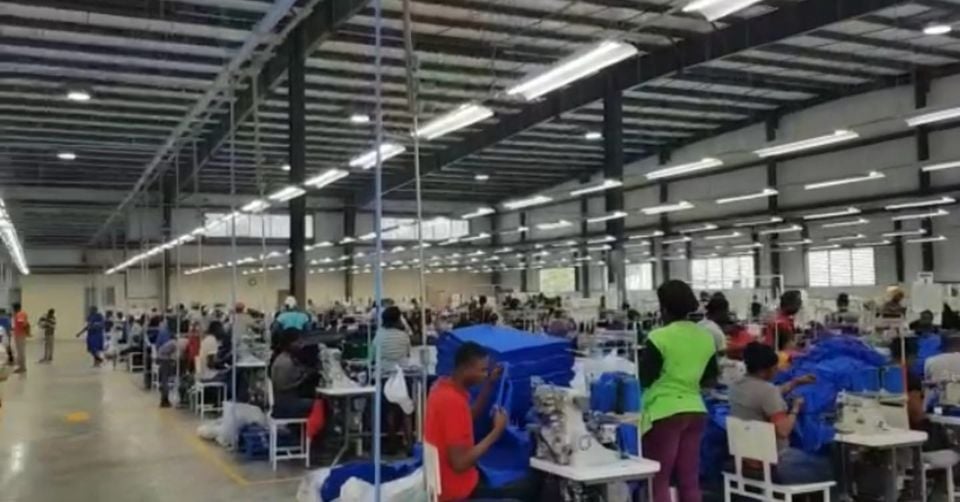
The Haitian government has just raised the minimum wage to 1,000 gourdes per day for the export-oriented textile sector.
The Haitian government has just raised the minimum wage to 1,000 gourdes per day for the export-oriented textile sector. It is a long-awaited decision, secured under social pressure. But in an economy strangled by skyrocketing fuel prices, growing insecurity, and some of the highest production costs in the region, does this increase really address the challenges faced by Haitian workers?During his weekly broadcast on May 9, 2026, economist Kesner Pharel analyzed the mechanisms of this crisis. According to him, Haiti is simultaneously experiencing an external shock: the rise in oil prices, fueled by geopolitical tensions between the United States, Iran, and Israel, and an internal shock, worsened by the economic and security instability that has paralyzed the country for several years. “Every oil shock that we are experiencing today internationally represents a significant macroeconomic risk for Haiti,” he stated, relying on an analysis by the Bank of the Republic of Haiti (BRH).