
By Andrew BEATTY The United Nations representative in Cuba warned that companies’ fear of facing retaliation from the United States is slowing the arrival of critical humanitarian aid to the island, including cancer medications and water treatment equipment.
By Andrew BEATTY
The United Nations representative in Cuba has warned that fear among companies of facing U.S. retaliation is slowing down the arrival of vital humanitarian aid to the island, including cancer medicines and water treatment equipment.
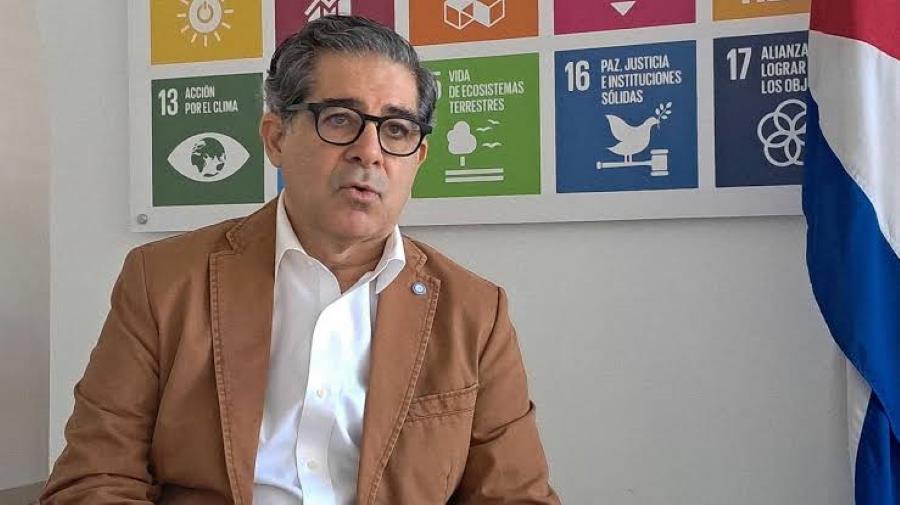
Francisco Pichon, the UN coordinator on the communist island, told AFP on Thursday that fear of U.S. sanctions is causing shipping companies, insurers, and banks to be overly cautious.
This situation is forcing humanitarian agencies to find other ways to get shipments through and is delaying deliveries meant for hospitals and schools.”They react to the risk of being sanctioned by simply stepping back, temporarily, from providing these services,” explained Mr. Pichon.
Since January, the United States has imposed a de facto oil blockade on the island of 9.4 million inhabitants, which has worsened the already existing energy crisis and regularly causes long power outages.
Washington has also threatened to impose sanctions on companies that trade with Havana, which has worsened the shortage of basic goods.
“There’s no food for us, the elderly,” 68-year-old José Antonio Ortega told AFP. This Havana resident, a former truck driver, says his pension isn’t enough to live on.
Only one tanker has arrived in Cuba over the past seven months, even though private—and limited—sales of fuel tanks from the United States have increased.”What initially affected the most vulnerable groups now impacts the population much more broadly,” said Francisco Pichon.
- Water Shortage –
Companies are hesitant when it comes to any operation that could jeopardize vital access to the U.S. banking system or the world’s largest economy.
Pichon cited the recent example of a medicine used to treat childhood cancer that didn’t reach its destination because a refrigerated transport couldn’t be arranged in time.
According to him, the same goes for kits for pregnant women and school supplies.
Cuban government data show that the crisis is worsening rapidly.Over the past year, infant mortality has more than doubled, while the survival rate for children with cancer has dropped from 85% to 65%.
The water shortage is also becoming increasingly worrying.
According to the UN, around 3.5 million people experience interruptions in drinking water supply, and nearly a million rely on tanker trucks, due to a lack of fuel and electricity for pumping systems.
The UN official emphasized that the crisis affects not only Cuban institutions but also the aid work carried out by the UN on the ground, marked by increasingly scarce fuel deliveries and private channels.
With hurricane season in the Caribbean having started in June, UN officials say they are particularly concerned about the vulnerability of water and sanitation systems, as well as the risk of epidemics.