
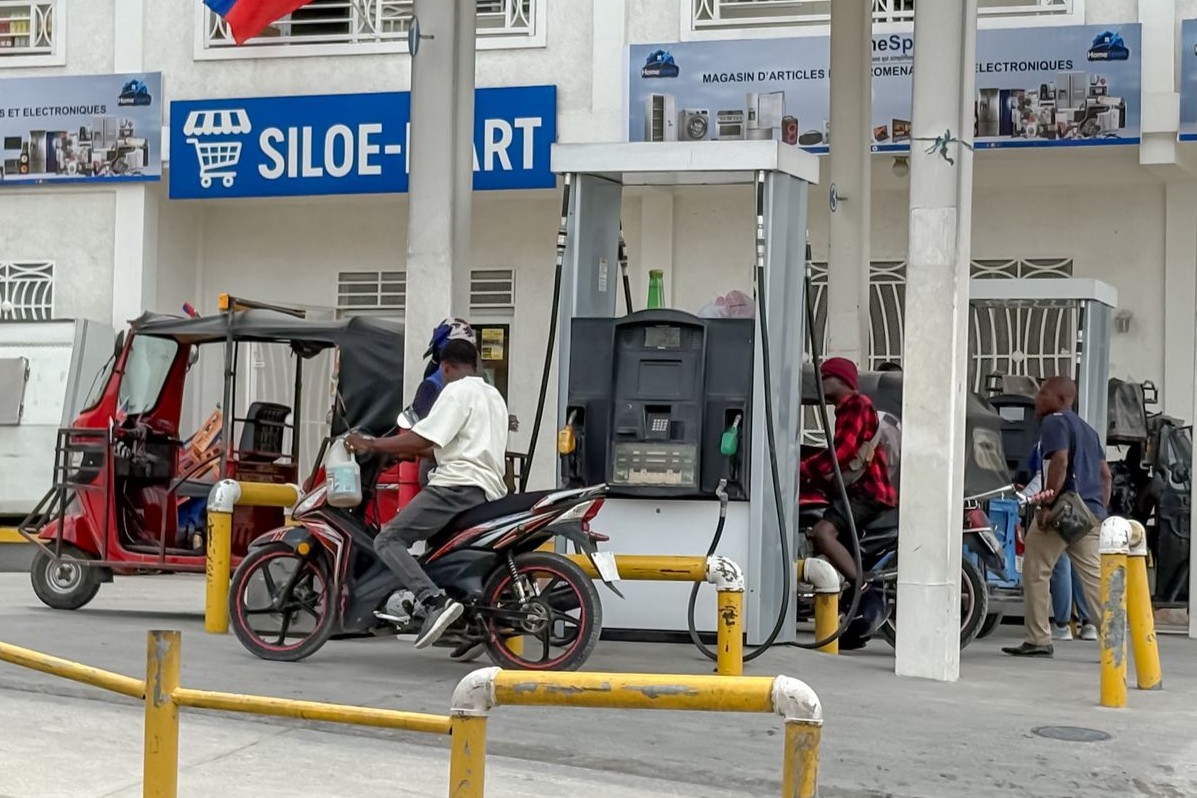
The spike in oil prices seen in the first quarter of 2026 could have caused a major budget crisis in Haiti.
The surge in petroleum prices observed in the first quarter of 2026 could have triggered a major budget crisis in Haiti. The closure of the Strait of Hormuz by Iran, combined with ongoing geopolitical tensions in the Middle East, led to a dramatic increase in the costs of refined products on international markets. Yet, unlike previous periods marked by heavy reliance on public subsidies, the Haitian government managed to absorb this shock without compromising the balance of its finances. This resilience is largely explained by the implementation, just a few weeks earlier, of an automatic fuel price adjustment mechanism.
According to industry data, kerosene saw an increase of over 100% between February and March 2026 on international markets, while diesel and gasoline went up by about 85% and 50% respectively. On top of these rises, there were higher shipping costs and more expensive insurance premiums. For a country that relies entirely on imported petroleum products, such a situation could have led to supply shortages and put significant pressure on the national budget.For several decades, Haiti’s government oil policy relied on a subsidy system aimed at keeping prices artificially affordable. While this strategy temporarily cushioned the impact of international price hikes, it also placed a significant burden on the public treasury. Many economists have also pointed out that these subsidies tended to benefit big consumers more than the most vulnerable households.
In this context, the authorities have continued the reform that began with the liberalization of the oil market in 2021. The decree of March 27, 2026, established a framework for an automatic adjustment mechanism for gas prices. “Price setting should no longer depend on one-off decisions, but on a clear, predictable, and transparent method,” says the Haitian government. From now on, price changes are based on several objective factors: international oil product prices, logistics costs, applicable taxes, and operator margins, while respecting caps aimed at limiting excessive fluctuations.The implementation of this mechanism also relies on the Advisory Council responsible for monitoring the automatic adjustment of petroleum product prices. This body plays a key role in analyzing trends in the international market and reviewing the various factors that go into setting pump prices. By regularly keeping track of the system and making recommendations to the relevant authorities, the Advisory Council helps boost transparency, credibility, and predictability of the mechanism, while also promoting a better understanding of the adjustments made among economic players and the general public.The effectiveness of this reform was quickly proven during the increase observed in April 2026. Gasoline and diesel prices were then adjusted to reflect the global market trends, helping to maintain the national supply. “Without this mechanism, the Haitian government would have had to bear the full impact alone, with potentially serious consequences for the budget balance,” points out the Haitian government.
A reform set to last
One of the most notable aspects of this new policy was the drop in prices that occurred a few weeks later, thanks to the decline in international markets. At the beginning of May, the prices of gasoline and diesel were reduced by 25 gourdes per gallon. For many observers, this decision helped boost the credibility of the mechanism. “The system doesn’t just step in when prices go up; it also allows for passing on the drops when market conditions justify it,” some analysts point outBeyond managing the situation, authorities see this reform as a way to modernize governance in the oil sector. By reducing its exposure to international market fluctuations, the government hopes to preserve more resources to fund essential public services and strengthen the trust of its financial partners. However, several experts point out that the success of this strategy will depend on three key factors: transparency of the mechanism, consistency of adjustments, and the implementation of support measures for the most vulnerable households. As one industry observer puts it, ‘Price accuracy is an economic necessity, but it must absolutely be accompanied by a credible and effective social policy.’