
|
Getting your Trinity Audio player ready...
|
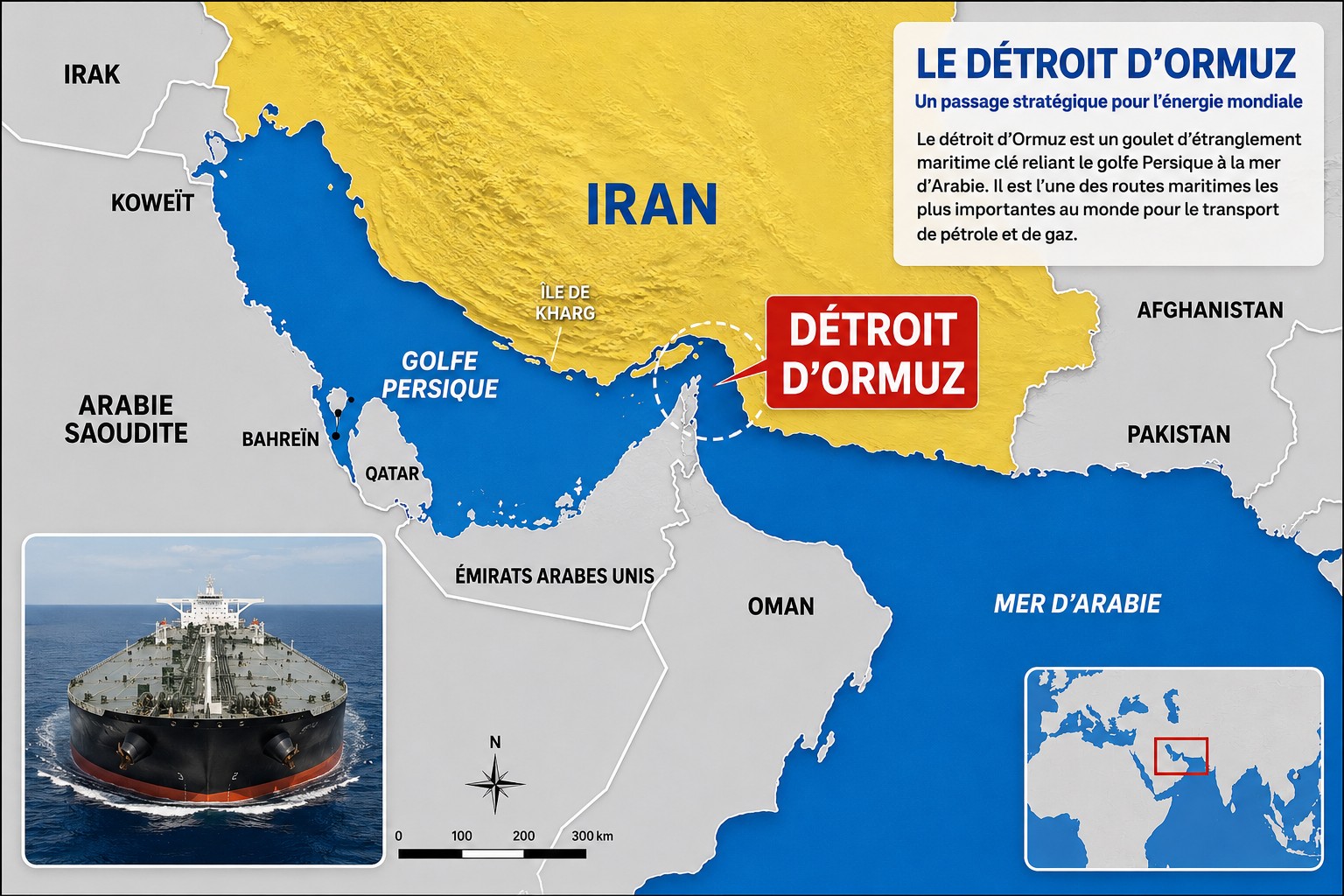
Maritime traffic is gradually picking up in the Strait of Hormuz.
Maritime traffic is gradually picking up again in the Strait of Hormuz. Tankers are once again cruising through this crucial artery for the global economy, oil prices are falling, and financial markets are breathing a sigh of relief. But for the most vulnerable countries, the crisis is far from over.
More than 100 days of disruption due to the war triggered at the end of February by Israeli-American strikes on Iran have left a mark that won’t disappear with the reopening of the strait, through which, in peacetime, a fifth of the world’s oil passes, along with a significant share of liquefied natural gas and nitrogen fertilizers used in agriculture.This is the main warning issued on Tuesday by the United Nations Conference on Trade and Development (UNCTAD), in a new study estimating that the most lasting damage won’t be seen in trading rooms, but in household budgets, crops, and the plates of dozens of vulnerable countries.”The reopening of the strait was necessary, but it is not enough,” summarized a UNCTAD spokesperson, Marcelo Risi, during a press briefing in Geneva. While energy markets react quickly, “shipping contracts, supply chains, and food systems take longer to adjust.”
The UNCTAD study comes as traffic gradually resumes in the Strait of Hormuz, which connects the Persian Gulf to the Gulf of Oman. This recovery is based on a memorandum of understanding signed on June 17 between Washington and Tehran to end the conflict, which notably includes reopening the waterway and resuming negotiations on its security.The agreement, however, remains fragile. After several military incidents and the attack on a merchant ship last week, discussions are continuing, particularly in Qatar, to strengthen an still-precarious ceasefire and to define guarantees allowing the sustainable return of commercial shipping.
Falling costs, but rising inflation
UNCTAD’s charts tell two very different stories.
On one hand, international oil prices began to drop as soon as the deal to reopen the strait was announced. On the other hand, shipping costs remain high, held back by contracts signed during the crisis and by supply chains that don’t reconfigure overnight.
And this inertia directly affects essential products.
For more than a hundred days, disruptions in the Strait of Hormuz have limited the global supply of oil, gas, and nitrogen fertilizers. The increase in energy costs then spread to transportation, then to agricultural production, before affecting food prices. According to UNCTAD, this chain of effects will continue to drive inflation long after the maritime crisis ends.
The study points out that, since the Covid-19 pandemic, economies pass on energy price increases to inflation more than before, making energy shocks more persistent.
61 countries on the front line
This chain of events hits first those countries with the most limited room to maneuver.
According to UNCTAD, 61 vulnerable economies are simultaneously exposed to rising oil and cereal prices. Many of them belong to the group of least developed countries (LDCs) or small island developing states. For them, the energy bill goes up at the same time as the cost of food imports, without having the budget resources needed to cushion the shock.
Marcelo Risi pointed out that among these 61 countries are the planet’s most fragile states. “If these countries are hit by a rise in energy prices, it makes them even more vulnerable than they already are,” he explained.Cape Verde illustrates this dependence. According to UNCTAD’s calculations, the archipelago’s net imports of petroleum products account for nearly a quarter of its gross domestic product, one of the highest levels among vulnerable economies. In such a context, rising fuel prices quickly spread to the cost of electricity, transportation, food, and ultimately, public finances.
When an energy shock turns into a food crisis
The agency points out an even less visible gap—the one between falling international prices and the reality of food markets.Even when oil or grain prices go down, the prices consumers pay often keep rising for several months because of the delays in transmission along the production and distribution chain. On top of that, there’s extra worry about the possibility of a major El Niño episode, that natural climate event linked to unusually warm Pacific waters, which could further weaken crops in several parts of the world.
UNCTAD points out that a real 5% increase in food prices is linked to a higher risk of acute malnutrition in young children, a risk that’s especially high for poor kids and those living in rural households without access to land.Shrinking room for maneuver
For many of these countries, the problem is no longer just trade.
UNCTAD points out that many are simultaneously dealing with high debt, pressure on their currency, a drop in remittances from their diaspora, and a decrease in official development assistance. All of these factors limit their ability to protect households from rising prices.
The agency therefore calls for increased international support to help these states absorb higher import bills, cushion shocks to energy and food prices, and strengthen their resilience against future disruptions.
Because even if ships start passing through the Strait of Hormuz again, the economic consequences of more than 100 days of disruptions will continue to be felt long after things return to normal.