
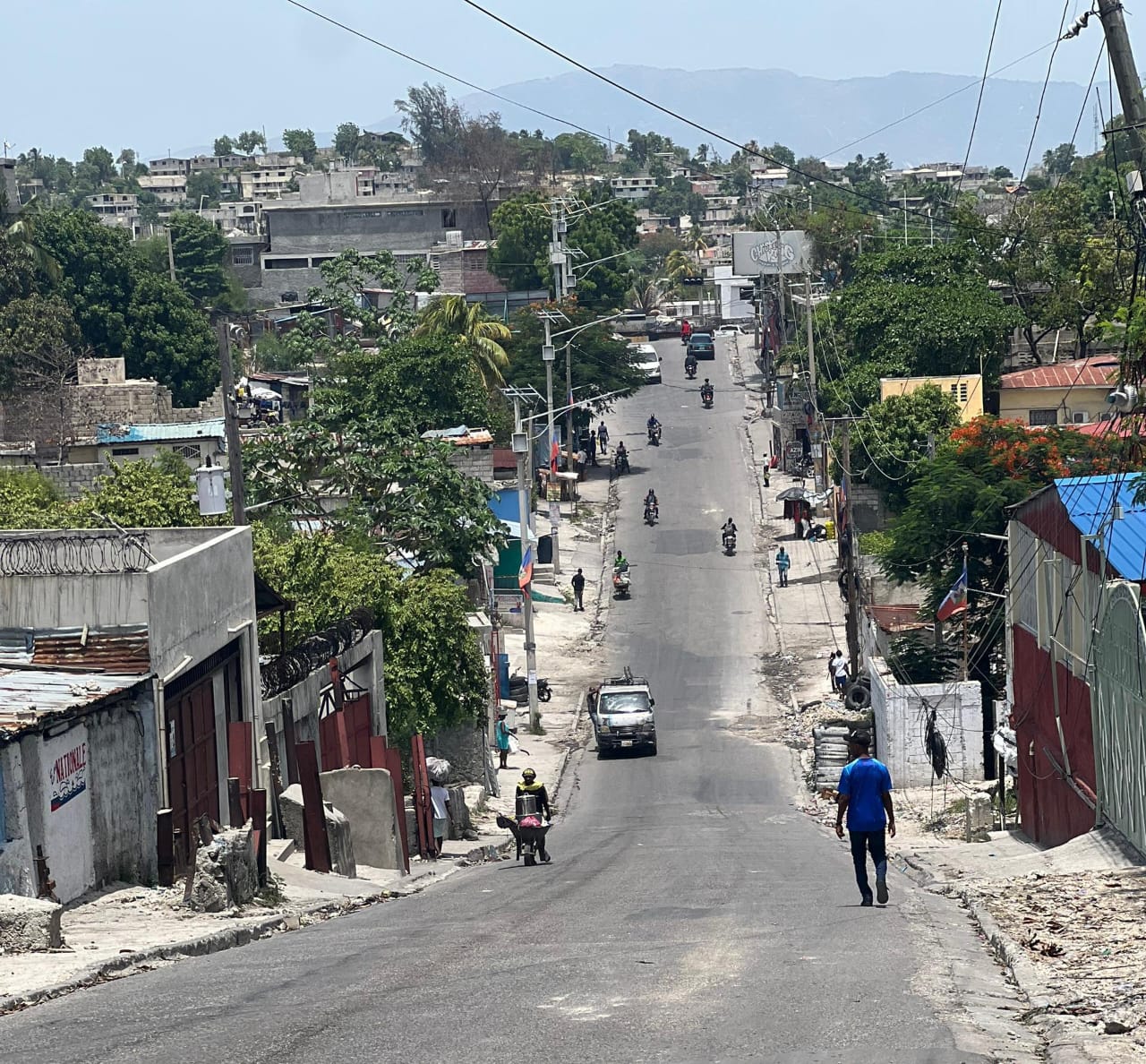
In several neighborhoods of the metropolitan area that were once affected by armed violence, residents who were driven away by gangs are gradually returning home.
In several neighborhoods of the metropolitan area that were once affected by armed violence, residents who were driven out by gangs are gradually returning home. But many still live in vulnerable conditions, with damaged housing, missing essential services, and insecurity at nightfall. Without security and the means to rebuild, some fear they may never regain their past life or see their neighborhoods erase the scars left by armed gangs.
The return is happening slowly in Nazon, Delmas 30, parts of Delmas 24, and Solino. The streets are regaining a bit of color, but the traces of violence are still visible on the facades and inside the houses. Many homes, mostly strewn with debris, lack doors and windows. The facades and walls remain blackened by the smoke from fires set by the gangs.In Delmas 30, houses still hard to live in
This Wednesday, August 26, 2026, in Delmas 30, residents are seeing their vandalized houses for the first time. Some families have decided to move back despite the condition of their homes. Their first task is often to clean the rooms, remove the debris, and temporarily cover the openings.Mario, in his forties, was forced to live in a refugee camp. After several months of suffering, he returned amid the ruins to see the damage and gauge the work needed. His family is still scattered, and he’s looking for ways to get his life back on track.
“We need resources to rebuild our destroyed homes,” he says. This is the situation for tens of thousands of other disaster victims. Going back home is possible, but rebuilding is still out of reach. There aren’t enough resources to carry out major repairs. A door, a window, or a roof represents a difficult expense for families who have lost everything.Delmas 24 slowly gets back on its feet
In part of Delmas 24, some residents are starting to move back into their homes. Business activities are restarting in some areas, timidly.
Families are making progress on their own. They clean their houses, salvage materials that can still be used, and sometimes ask neighbors for help. The lack of money slows down every initiative. For many residents, rebuilding a house or restarting a business is an effort that far exceeds their means.
“We do everything we can to find something to eat, but it’s hard,” says one resident.For some, getting back to their home already represents a first victory. For others, the return remains temporary, just long enough to assess the damage, recover or buy some belongings again, and see if conditions allow them to settle.
In Nazon, the evenings are still feared
In Nazon, life is getting back to normal, even if it’s not yet the lively neighborhood it used to be. Some former displaced residents are returning home. Some houses haven’t been destroyed because they were occupied by armed men.
The main road is completely cleared, making traffic smooth. Even though the neighborhood has lost some of its former buzz, with less traffic and fewer comings and goings on the streets.This return comes with fear for some. On Poupelard Avenue, cases of theft and robbery at nightfall are reported by residents. “I spend my day here, but in the evening, I prefer to leave,” confides a young woman. Her family chooses to sleep elsewhere, fearing staying in a neighborhood where the presence of law enforcement is considered insufficient at night.
During the day, however, some activities resume. Small vendors try to sell their goods, while some residents reopen their doors and start the first repairs.Solino is slowly coming back to life
In Solino, the signs of return are becoming more visible. Motorcycle taxi drivers are back on the streets, and shopkeepers are setting up their businesses again. Life is returning. But the recovery is still fragile. Some houses have been looted, schools and churches vandalized. Many homes need major repairs before they can comfortably house their residents again.
In a small carpentry workshop, Yvon has resumed his work. People come to him all day long for a door, a window…
Jeannette, sitting behind her stall of clothes and sandals, is calling on the authorities to help residents in the rebuilding process. For many families, going back to their homes, even if damaged, is still better than living in a displaced persons camp. “We’ve already suffered enough. We want to get back to our homes, but above all, we want to be able to live there without fear,” says one resident.Promises Still Waiting
Beyond occasional cleanup operations, the people in these neighborhoods are expecting more from the government. In Solino, the government program ‘Back to the Neighborhood’ was supposed to support the return of displaced people and help revive life in the area. Launched in April 2026, the project included actions related to security, social assistance, cleaning, and restarting economic activities.
A government delegation visited the neighborhood to assess the damage and look at the next steps. The residents say they are still waiting for tangible results.

