
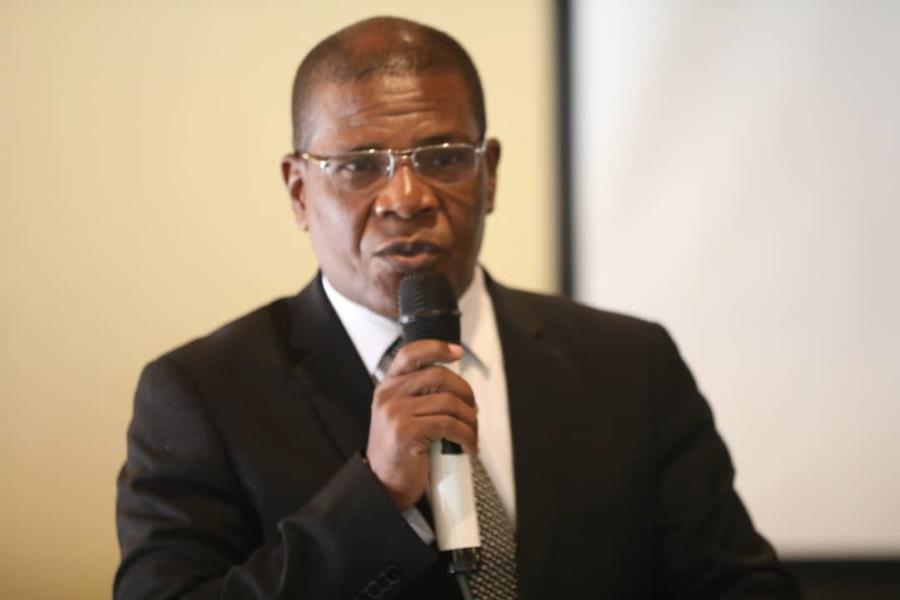
A technical workshop on the joint risk monitoring mechanism of the FSCPP (Food Security Crisis Preparedness Plan) was held on June 24 and 25, 2026, by the National Food Security Coordination (CSNSA) at its offices with the support of the World Bank.
A technical workshop on the joint risk monitoring mechanism of the FSCPP (Food Security Crisis Preparedness Plan) was held on June 24 and 25, 2026, by the National Food Security Coordination (CSNSA) at its offices, with support from the World Bank. These two days of work allowed the establishment of the technical foundations of the joint risk monitoring mechanism.
This workshop brought together analysts and technical partners from the CNSA around the same table. Other key figures were able to join the technical discussions remotely via the Zoom platform. During the first day of the workshop, the World Bank gave a presentation on the Joint Monitoring Report (JMR) mechanism and how it links with the FSCPP, supported by comparative examples. As for the CNSA, it presented, together with its technical partners, the monitoring system for food and nutrition security in Haiti before moving on to the technical discussion and approval of the main ways to integrate the JMR into the national system for monitoring food and nutrition security risks.If the first day was dedicated to a common understanding of the system, the second focused on putting the system into practice. For this, the World Bank, which supports the FSCPP as an operational framework, gave a concise presentation of the risk monitoring model and the chosen risk categories. Other activities followed, including validating the key indicators and the main sources of associated data, identifying contributing institutions and technical focal points, and so on.
“We have reached an important phase that involves training the analysts. They have already undergone preliminary training, and now they are receiving specific training on monitoring indicators, monitoring methods, and also on the frequency of data publication aimed at informing decision-makers so they can make good decisions regarding responses to the food and nutrition security crisis,” said CNSA coordinator, agronomist Harmel Cazeau.
This workshop was also an opportunity to identify the most frequent shocks in Haiti. The speakers and participants discussed how to proceed when a shock occurs. They mainly focused on triggering the alert. While the World Bank plans such action every three years when there’s a shock, all the participants agreed that, in Haiti’s case, this period is far too long.In Haiti, the expected shocks are many, pointed out the head of the CNSA. They can be natural, like droughts, cyclones, or earthquakes; economic, like inflation, falling purchasing power, or job losses; or even security-related, as is the case right now. “All of these shocks affect food security. The Food and Nutrition Security Crisis Preparedness Plan lets us track these shocks using various data and analyze them to see their impact before reporting to the decision-makers,” said Harmel Cazeau, adding that the government has already adopted this plan and published it in the official gazette Le Moniteur.