
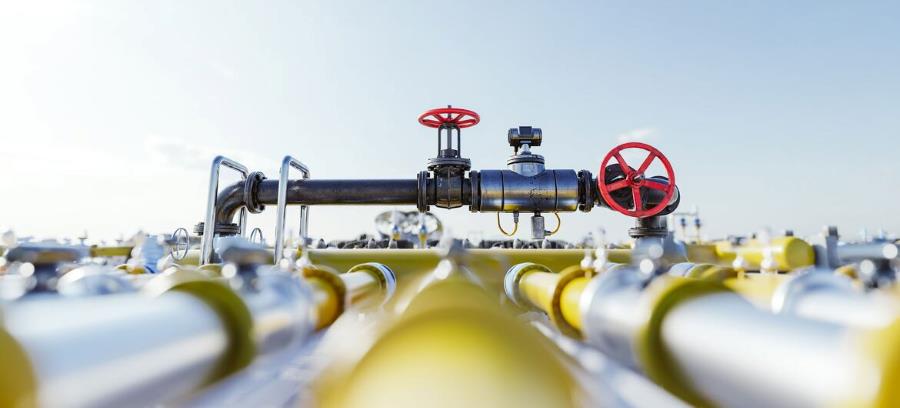
Disruptions in the Strait of Hormuz have highlighted how vulnerable global trade is at this crucial maritime chokepoint.
Disruptions in the Strait of Hormuz have highlighted how vulnerable global trade is at this critical maritime chokepoint. Early data shows a sharp drop in exports of energy, fertilizers, and industrial products.
Natural gas exports have plummeted by a staggering 95%.
This finding comes from an analysis published by the International Trade Centre (ITC), a multilateral agency that shares its mandate with the World Trade Organization (WTO) and UNCTAD, the UN’s trade and development agency.
Key maritime corridor
The Strait of Hormuz, located south of Iran, accounts for about a quarter of global maritime oil trade and a significant portion of liquefied natural gas and fertilizer flows, including a third of the urea traded worldwide.
Since the military escalation at the end of February, reduced commercial traffic, concerns about navigation safety, and rising transport and insurance costs have affected trade far beyond the region.
Although recent protests against the fighting have sparked hopes for a fuller recovery in maritime traffic, it remains well below normal.
Strategic products analyzed
The analysis focuses on 12 energy products, fertilizers, and industrial products of strategic importance, for which the economies dependent on the Strait of Hormuz are major global suppliers.
This group includes Bahrain, Iran, Iraq, Kuwait, Qatar, Saudi Arabia, and the United Arab Emirates.
Trade data from April show that combined exports of goods from these economies, across all products, fell by 21% in value.
However, the ITC noted that export values are also affected by large swings in international commodity prices caused by the disruption itself. Therefore, changes in physical quantities provide additional insight into the extent of the disruption in current trade flows.
Drop in Exports
For all 12 products, export volumes decreased between April 2025 and April 2026. Overall export volumes fell by 54%, with liquefied natural gas seeing the biggest drop at 95%.
Urea exports fell by 83%, followed by methanol (80%) and ammonia (75%). Polypropylene polymers, used for consumer goods plastic packaging, were the least affected, dropping by 24%.
The largest absolute losses were in energy products, particularly crude oil exports (down 28 million tons), followed by refined petroleum products and liquefied natural gas (down 7.3 million tons and 5.5 million tons, respectively).”The significant drops in exports of fertilizers, chemicals, plastics, and aluminum show that the disruption has affected a wide range of sectors and supply chains,” the authors noted.
Importers are looking for alternative solutions.
At the same time, importing markets haven’t been affected in the same way, depending on factors like reliance on suppliers from the Strait of Hormuz, access to stockpiles and strategic reserves, domestic demand, and the ability to source from alternative suppliers.Japan, for example, historically imported 91% of its crude oil from this region. Economies dependent on the Hormuz system. In April, the country saw a 64% drop in its total imports. Other highly dependent markets, like the Republic of Korea and Malaysia, experienced the same situation.
On the other hand, Thailand saw a 62% increase, as refiners sought to get extra supplies from alternative providers to keep their supply flowing during the disruption.
Alternative suppliers did increase their deliveries for 10 of the 12 selected products across the affected markets. However, these gains only fully made up for the drop in imports from economies dependent on the Hormuz system for ammonia and polypropylene polymers.This observation suggests that the diversion of trade had begun but had not yet fully made up for the supply disruptions in April, with some markets being able to tap into their stocks or strategic reserves, boost their domestic production when possible, or cut back on consumption.
The update from the ICC also looked at other aspects of the crisis, including trade measures taken in response to the disruption, such as policies aimed at ensuring adequate access to supplies, especially crude and refined oil.
Send feedback