
2,246 deaths, several tens of thousands of damaged homes, and serious losses have been recorded in agriculture, infrastructure, and the region’s economy, where the impacts are still visible five years after the earthquake that happened on August 14, 2021, in the southern peninsula.
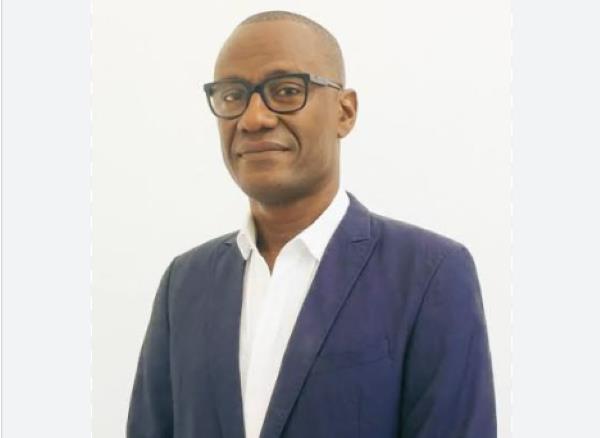
2,246 dead, tens of thousands of houses damaged, and serious losses have been recorded in agriculture, infrastructure, and the region’s economy, where the impacts are still visible five years after the earthquake that struck the southern peninsula on August 14, 2021. As the 5th anniversary of the disaster approaches, Radio Magik9 invited entrepreneur Astrel Joseph to talk about the progress made in the recovery and rebuilding of the southern region.The damage caused by the August 14 earthquake in southern Haiti is estimated at 1.6 billion US dollars, Astrel Joseph said at the very beginning of his speech. This amount represented about 7.8% of Haiti’s GDP in 2019. According to the guest on Magik 9 on Thursday, August 13, 2026, a lot of efforts have been made by the state authorities in certain public institutions, including schools. More than thirty public schools and a few private schools have either been renovated or rebuilt.For this, the government had to mobilize the National Education Fund (FNE) with support from some humanitarian organizations like UNICEF, Save the Children, Promesse, Solidarité laïque, etc. Astrel Joseph also mentioned a few private schools that were rehabilitated after the earthquake, like the South Haiti Evangelical Baptist Mission College, which was the result of a partnership with Compassion International.
“The rehabilitation or reconstruction of public and private schools seems to me to be the most important achievements of the Haitian authorities following the August 14, 2021 earthquake. As for the other losses recorded in the region, I still haven’t seen anything from the authorities,” said the member of the Chamber of Commerce and Industry of the Greater South.
A few days after the earthquake, the southern peninsula also suffered from the effects of Tropical Storm ‘Grace.’ This shows the fragility of the region and especially the need to build differently, as well as the necessity of a viable public-private partnership to better strengthen future projects, urges the businessman. He is outraged to see that the aftereffects of the summer 2021 earthquake are still so present in the southern metropolis.Several houses that were severely damaged during the disaster, instead of being taken care of by professionals and competent authorities, were patched up by owners who were short on means. A way, as usual, of trying to make something new out of the old, complains Astrel Joseph, taking the opportunity to point out a common practice among people displaced by insecurity.
In an effort to find safe shelters, the displaced buy spaces located near rivers or land reserved for agriculture to build their homes. On this subject, the speaker believes more than ever that the country, and the far South in particular, is in great need of a land-use plan. Cleaning works in the major cities of the region such as Les Cayes, Jacmel, Miragoane, Jérémie are a necessity, says the southern entrepreneur.To highlight the authorities’ negligence regarding the fragility of housing in the South, Mr. Joseph pointed out that the largest building in the city of Les Cayes is, to this day, the Administrative Complex. The building was severely damaged by the earthquake. So far, no major intervention has been carried out on this building, except for recent attempts by the new departmental delegate to try to make improvements to this public infrastructure, the contractor said, adding that he sees nothing new in the reconstruction of the region that was hard hit in 2021.
Are the central government’s efforts to rebuild the Grand South enough?To this question, Mr. Joseph replied that any effort to rebuild the greater South will first involve working on a land redevelopment plan. What is commonly called in Les Cayes the new construction areas, namely the localities of Dexia, Hydraulique, and Bergeaud, according to Astrel Joseph, are areas that have developed since the 90s, in a rather disorderly way.
According to him, the construction styles and narrow streets in those areas don’t provide enough space for emergency services (firefighters, Red Cross, ambulances, etc.) to get through in case of an emergency for residents. Based on that, work needs to be done at different levels between the central government and local authorities so there can be a sustained discussion on land redevelopment. All of this should be part of a municipal development plan, not to mention the effort needed to raise awareness and strengthen the state’s authority in the regions regarding the enforcement of construction laws in the country.
When asked about any changes observed among authorities and citizens ahead of August 14, 2026, Astrel Joseph says he hasn’t noticed any changes in behavior, either among victims or authorities, concerning construction practices.”Neither at the level of the authorities nor at the level of civil society is there any real will to change construction practices in the country. What we see instead is a kind of morbid ability to adapt to the worst day by day,” laments the guest on Magik 9, who sees this situation as the responsibility of the state.
On this topic, he pointed to the chaotic constructions inside the country’s public markets. “Sometimes it’s wealthy citizens who act this way, and very often it’s with the complicity of people in high positions within the municipalities’ administration,” concludes Astrel Joseph.