
|
Getting your Trinity Audio player ready...
|
The FAO and the United Nations World Food Programme (WFP) launched their first joint call for preventive aid on Thursday to tackle the El Niño climate phenomenon, which is expected to peak at the end of 2026, in order to protect nearly nine million people.
El Niño is a natural climate phenomenon that warms surface temperatures in the central and eastern equatorial Pacific, leading to episodes of droughts, floods, and record temperatures around the world. According to experts’ forecasts, it could become one of the most intense ever recorded by the end of the year.
The FAO and WFP warn in a statement that this peak could worsen food insecurity in already fragile areas, with an increased risk of extreme weather events in some regions of Africa, Asia, the Pacific, Latin America, and the Caribbean.The two UN agencies already have resources to assist 1.2 million people, but they say an additional $167 million is essential to extend aid to 7.6 million more beneficiaries in 22 high-risk countries.
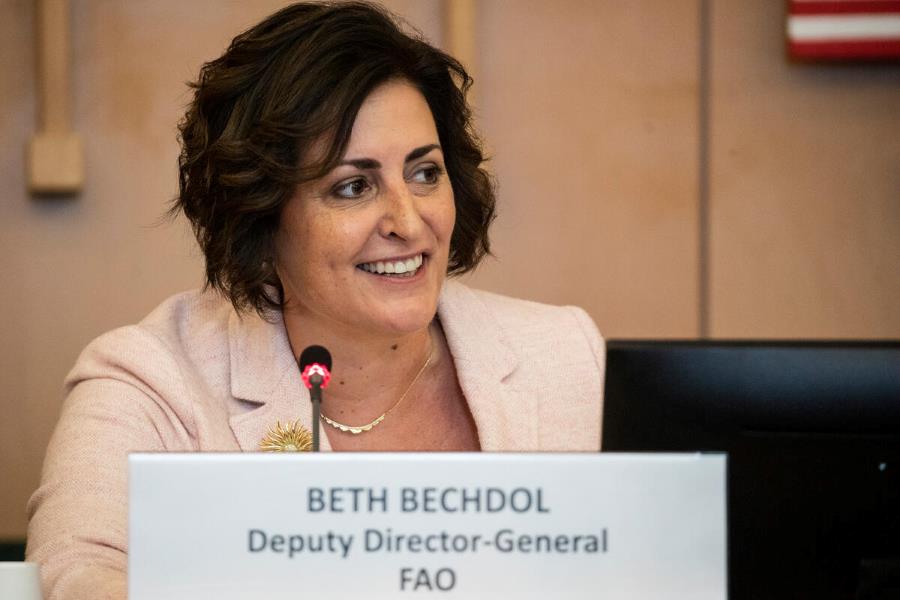
“Experience consistently shows that early action is more effective and less costly than intervention after a crisis escalates,” said Beth Bechdol, Deputy Director-General of the United Nations Food and Agriculture Organization (FAO), as quoted in the statement.
According to UN estimates, every dollar invested in prevention can prevent up to seven dollars in losses.The planned interventions include cash assistance, the distribution of drought-tolerant or flood-resistant seeds, livestock protection, as well as early warning and water collection systems to limit the impact of crises before they get worse.
This appeal comes as millions of people are already suffering from hunger due to conflicts, economic crises, and recurring climate shocks, notably in Ethiopia, Sudan, Pakistan, Haiti, and Guatemala.