
The Gang Suppression Force (GSF), known by its English acronym, carried out an offensive early Sunday morning, November 15, 2026, against members of the Kokorat san ras gang in the third and fourth communal sections of Gros-Morne, particularly in the areas of Savane Longue and Carnifice, in the upper Artibonite.
The Gang Suppression Force (GSF), known by its English acronym GSF, carried out an offensive early in the morning on Sunday, November 15, 2026, against members of the Kokorat san ras gang in the third and fourth communal sections of Gros-Morne, particularly in the areas of Savane Longue and Carnifice, in upper Artibonite. At least five gang members were killed during these operations, according to information gathered on site.
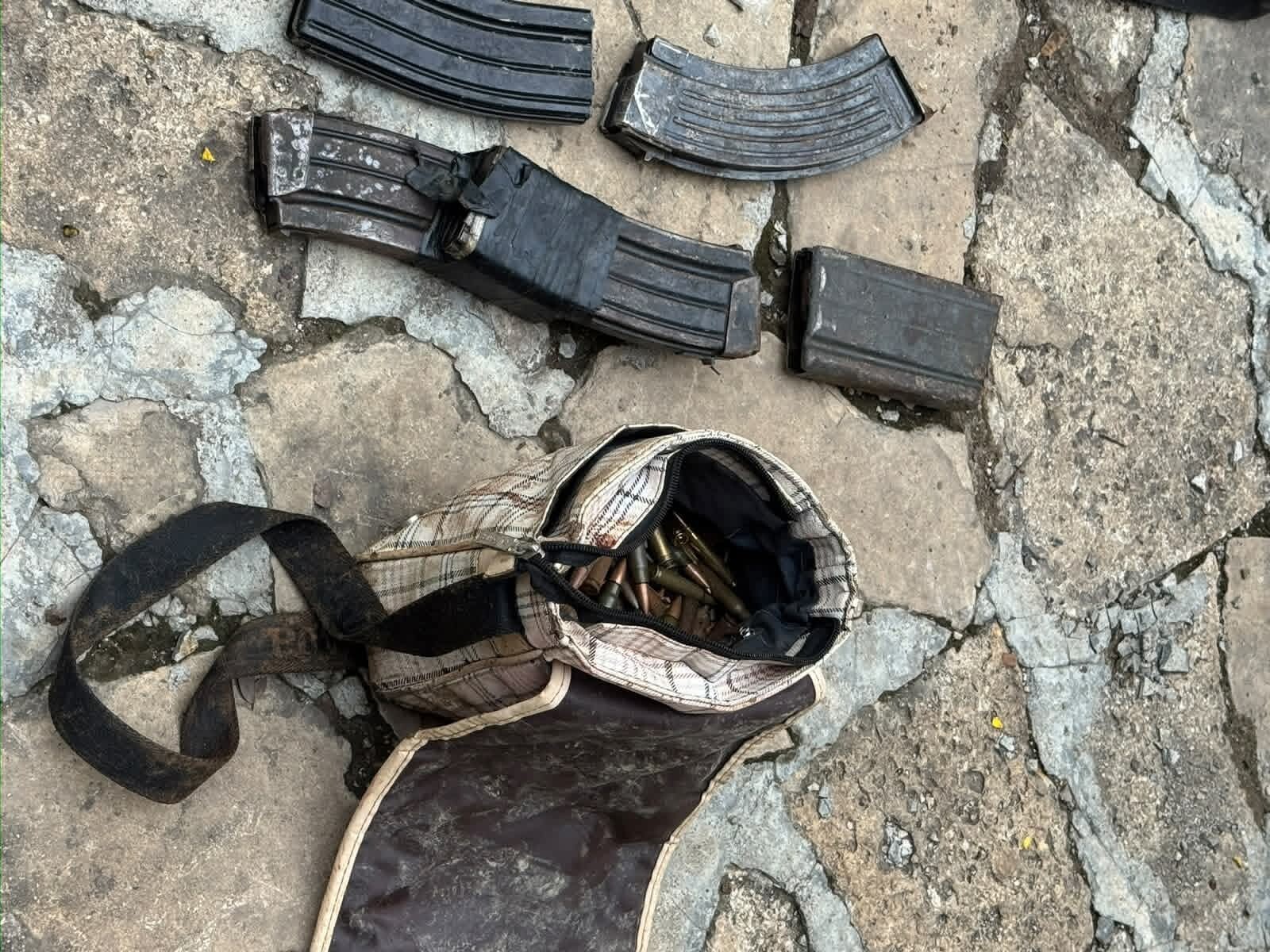
In a post on its Facebook page, the GSF stated that its troops had regained control of a church and a school in Carnifice, two buildings that armed gangs had turned into fortified positions. The forces also secured the surroundings of these sites, aiming to restore access to this strategic corridor.The operation also allowed for the dismantling of several barricades and trenches that were blocking traffic on National Route 5. Five rifles, ammunition, and two motorcycles were recovered by the FRG.
The institution presents these actions as an effort to restore freedom of movement, make access to public services easier, and help reestablish state authority in areas affected by the presence of armed groups.According to information gathered from local sources, members of the armed group put up resistance against the forces involved in the operation, leading to intense exchanges of gunfire. In addition to the five deaths announced by the FRG, other local sources suggest that up to nine gang members may have been killed. However, this latter number has not been confirmed by the authorities.
The operation, which was initially supposed to be launched on Thursday, November 12, had been postponed for tactical reasons, according to available information. The offensive finally began around 5 a.m., before reinforcements from the Haitian National Police (PNH) arrived, around 2 p.m. The interventions continued until late in the afternoon.Contacted by Le Nouvelliste, the mayor of Gros-Morne, Hubert Cénéac, said that the municipal administration intends to take all necessary measures to support the law enforcement efforts to dislodge this armed group, which continues to carry out acts of violence, kidnappings, and abuses against residents in several localities of the region.
According to sources in the area, the operations were not yet finished by the end of the day. The forces involved planned to continue their interventions until the gang’s positions in these communal sections were dismantled.This new offensive comes amid a series of deadly attacks attributed to Kokorat san ras in the Gros-Morne area. In January 2025, armed raids in the towns of Grépin and Campêche killed at least eleven people. On August 6 of the same year, an attack attributed to the Ti Bwadòm branch claimed two lives and left one person injured near Jacques Roumain High School in Pay Kann. Another attack, on August 24, 2025, in the town center, also killed at least five people.More recently, on September 28, 2026, residents of Savane Longue, Grépin, Dosni, and other areas of Gros-Morne were victims of a new wave of violence attributed to the armed group. In its quarterly report covering the period from July to September 2026, the United Nations Integrated Office in Haiti (BINUH) recorded fourteen people killed, including nine men and five women, during the attacks on September 28 in downtown Gros-Morne, in Crépin, and in Dosnie.The gang’s ability to cause harm was also evident on September 7, with the kidnapping of the general director of the National Office of Education Partnerships (ONAPÉ), Stéphanie Paultre, lawyer Me Caleb Jean-Baptiste, and two police officers. The victims were taken to the town of Pendu, in the Gros-Morne commune.
While the retaking of certain strategic sites and the removal of obstacles on National Route No. 5 are results announced by the FRG, the question of their lasting security remains unresolved. For the residents of Gros-Morne, the issue is not just about temporarily reclaiming territories: it’s mainly about being able to move around without fear, resume their daily activities, and live free from the threats of armed groups.

