
Vertical series and Chinese video games are breaking world records in viewership and sales. For the first time, Beijing sees them as a real tool for cultural influence.
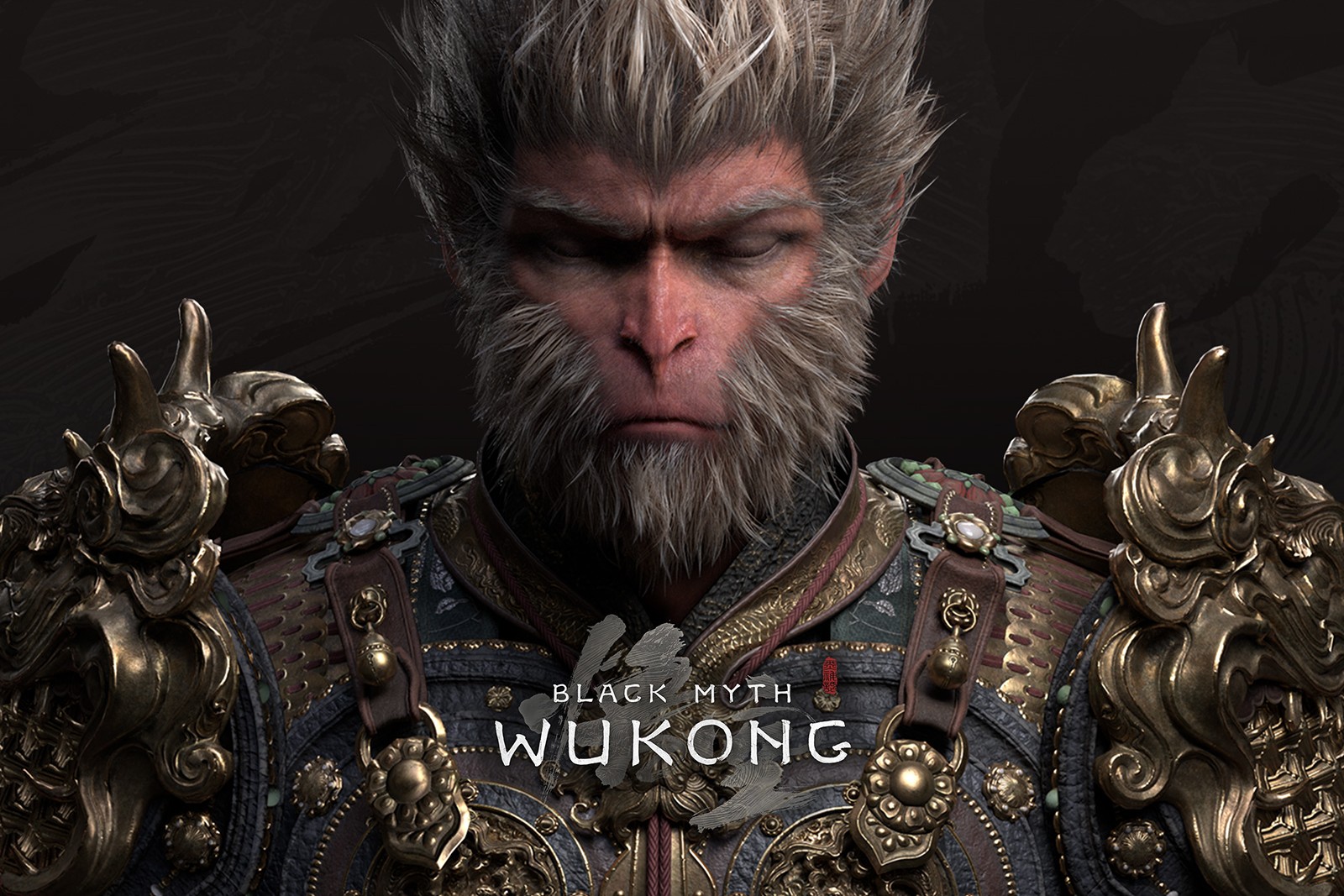
In just two years, two Chinese cultural industries have changed their status on the global stage. On one hand, AI-generated micro-dramas are flooding phones all over the world. On the other hand, the video game ‘Black Myth: Wukong,’ released in 2024, has sold over 30 million copies worldwide, with more than half of the sales coming from international players. These two phenomena, seemingly unrelated at first, are actually part of the same trend: the massive export of Chinese cultural content, driven by technologically advanced studios and clear government support.Two showcases, TV series, and video games
In the first quarter of 2026, more than 95% of the 128,000 new micro-dramas uploaded in China were produced by artificial intelligence, compared to just a handful a year earlier, while the share of these titles in the ranking of the hundred most-watched productions rose from 7% to 38% in twelve months. This shift allowed platforms like ReelShort, backed by the Chinese COL Group, or PineDrama, quietly launched by TikTok in January 2026 in the United States and Brazil, to export this format globally. The market, according to the French magazine L’Express, could reach 26 billion dollars by 2030. An industrial model capable of producing an entire series in just a few days, compared to several months for a traditional TV production.
The video game industry is following a similar path. ‘Black Myth: Wukong,’ adapted from the classic novel ‘Journey to the West,’ sold over ten million copies in three days and generated more than a billion dollars in revenue. Genshin Impact recreates UNESCO-listed Chinese sites in its environments, including the Yunnan rice terraces and Zhangjiajie Park, while ‘Honor of Kings’ boasts a hundred million daily users in China. Revenue from games developed in China for foreign markets reached nine billion dollars, mainly in the United States.A Cultural Strategy Embraced by Beijing
These successes are no accident. Measures making approval processes, compliance, and intellectual property protection easier have been put in place to support the international expansion of these studios. Xinhua agency itself called the launch of Black Myth: Wukong a “bold foray” into a market long dominated by Western productions. For the first time, China is no longer just assembling products for foreign brands; it is exporting its own stories, mythology, and aesthetics on platforms that the whole world checks every day.This influence also relies on the press. The latest issue of the magazine Chinafrique, which covers the breakthrough of AI-generated Nigerian series on TikTok, is itself published by the China International Publishing Group, the largest foreign-language press group in the country, founded in 1988 to target business circles involved in Sino-African cooperation.
This two-way flow of information shows how the relationship between China and Africa now goes beyond just raw material trade, moving into the cultural and digital arena. According to Chinafrique, Nigerian filmmakers like Malik Afegbua use generative tools to create successful vertical series, such as Forbidden Love or Household Enemy, released on TikTok. However, these creators claim their own narrative sovereignty, saying they want to tell Africa’s stories for itself rather than reproducing narratives from elsewhere.The contrast with Haiti is clear. Without comparable subsidies, the Haitian film sector relies on external funding, like the $100,000 granted in March 2026 by UNESCO to SineNouvel-Haïti. The country is, however, seeing its own AI-generated mini-series emerge, like these talking animals, fruits, and vegetables that play out dramatic situations modeled on human codes, taking over TikTok, YouTube, Facebook, and Instagram. A homemade and viral version of the same global phenomenon.
The question remains whether other countries in the global South will, in turn, be able to turn their presence on these global platforms into their own cultural projection.