We are sincere.
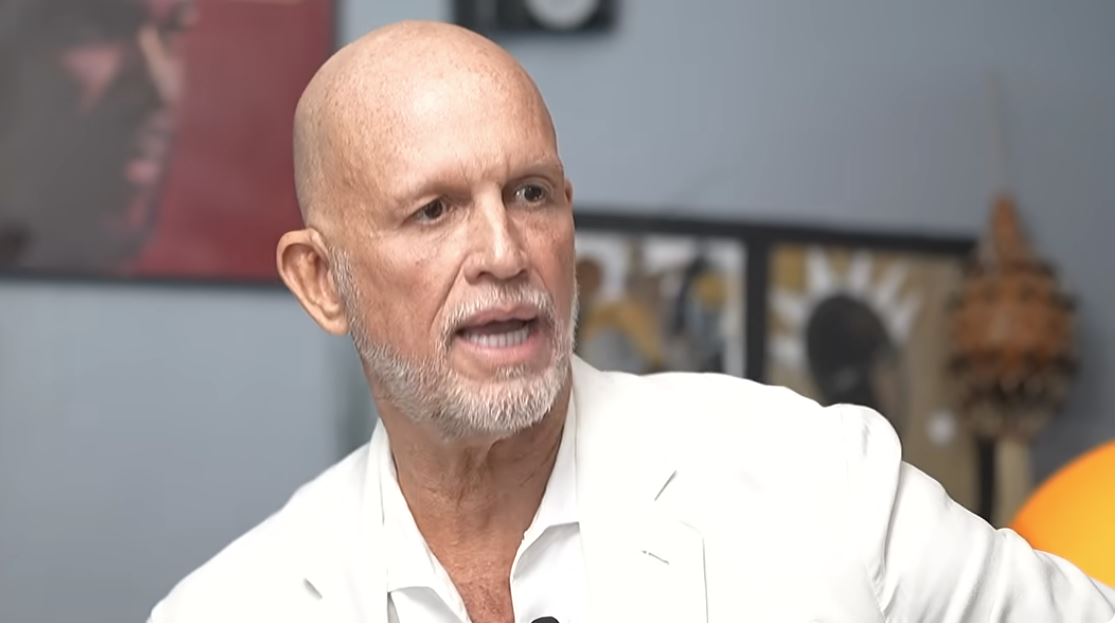
“We are sincere. We really want to make a difference. We want to work in a country where the rules of the game are clear,” Richard Coles said in a recent interview with the YouTube channel Haïti Inter, trying to explain the change in attitude and behavior of members of the Haitian private sector. He talked about a different private sector that communicates more based on an inclusive approach. Having learned from its accumulated mistakes over time, the Haitian private sector is now challenging itself not to fail again, according to Richard Coles.For this, the Haitian private sector doesn’t just communicate among its own members but also does so with other sectors, including the farming community. It’s learning to listen, according to Mr. Coles. This sector goes even further by deciding to meet with Jacques Attali, an economist, graduate of Polytechnique, and a state advisor in France, to get advice and set up a roadmap.
“Like everyone else, we’ve suffered a lot in Haiti with this current crisis hitting the country. We started thinking long-term, about the future, because the country is going through deeper and deeper crises. We want, humbly, to chart a path for Haiti,” promised Richard Coles, a member of the Coles Group, which is made up of a father and four brothers.
Without denying his sector, Richard Coles acknowledges that the Haitian private sector is not without flaws. He believes that the Haitian people are good. “We don’t deserve such a good, peaceful people, and this people, in turn, doesn’t deserve such an archaic elite that is very focused on conspiracy. When foreign TV stations make reports in Haiti, they focus on broadcasting images like burning tires, but they don’t highlight that this act is an expression of discontent,” said Richard Coles, specifying that he is talking about the economic, intellectual, political, and religious elites.
“Haiti doesn’t deserve such an elite. Of course, I am part of that elite, and I am proud of it. It’s true that it has failed in its collective behavior, but it has people of very high quality. Just as with the intellectual elite, the Haitian private sector has serious and dedicated people working for change in the country,” Coles affirmed.During this interview, Richard Coles discussed the protest movements that led to the forced departure of President Jean-Bertrand Aristide from power. The private sector was at the forefront of this movement, led by entrepreneur Andy Apaid. Richard Coles made it clear that he supported President Aristide. He is convinced that it is not the private sector’s role to overthrow a legitimate president. For him, it is up to the Haitian people to sanction a president by giving him a red card in electoral contests. “It is not the Haitian people who are responsible for the current situation, but the elites,” Mr. Coles said.
“When the GNB movement took to the streets, I thought it was unacceptable. The Haitian Industries Association, the largest employer association, had then taken a stance against it. For me, it was a lack of vision, minor issues, unresolved internal quarrels, and trials of intent that need to be remembered to explain this uprising against President Aristide,” said the entrepreneur from Groupe Coles.
On this point, Richard Coles insisted: “I’ve been fighting for 30 years to normalize things in Haiti, and it earned me a bit of a wild reputation. I’ve always thought we should play the democracy game in Haiti, but my peers didn’t buy into that idea. I hadn’t openly supported the former Catholic priest, but just not taking a side against him alongside my private sector peers got me labeled as being Lavalas.”Without beating around the bush, Richard Coles slammed the private business sector: ‘I took my responsibilities, but at the private sector level, there are well-educated people with financial means who often lack vision. And they’ve maintained a small-time merchant mentality. They’re not big entrepreneurs with the vision to understand that stability brings wealth. Instead, they’ve gone for little schemes.’
Straightforwardly, Richard Coles made it clear that he did not share Mr. Apaid’s views. I hated his language when he called for the president to step down, insisting he would rather eat dust for that to happen. Mr. Coles reminded that the private sector is not a monolithic block. There are those in the sector who talk a lot and others who remain silent. “Aristide was a legitimate president. It’s the loss of that legitimacy that brings us to where we are now,” lamented Mr. Coles, pointing out that he has seen everyone who has held power, mentioning names like Jocelerme Privert, Michel Joseph Martelly, etc. He wondered whether the assassination of President Jovenel Moise, which the Haitian justice system has been slow to clarify, has nothing to do with the private sector’s appetite to take power by demanding the resignation of the occupant of the national palace.