
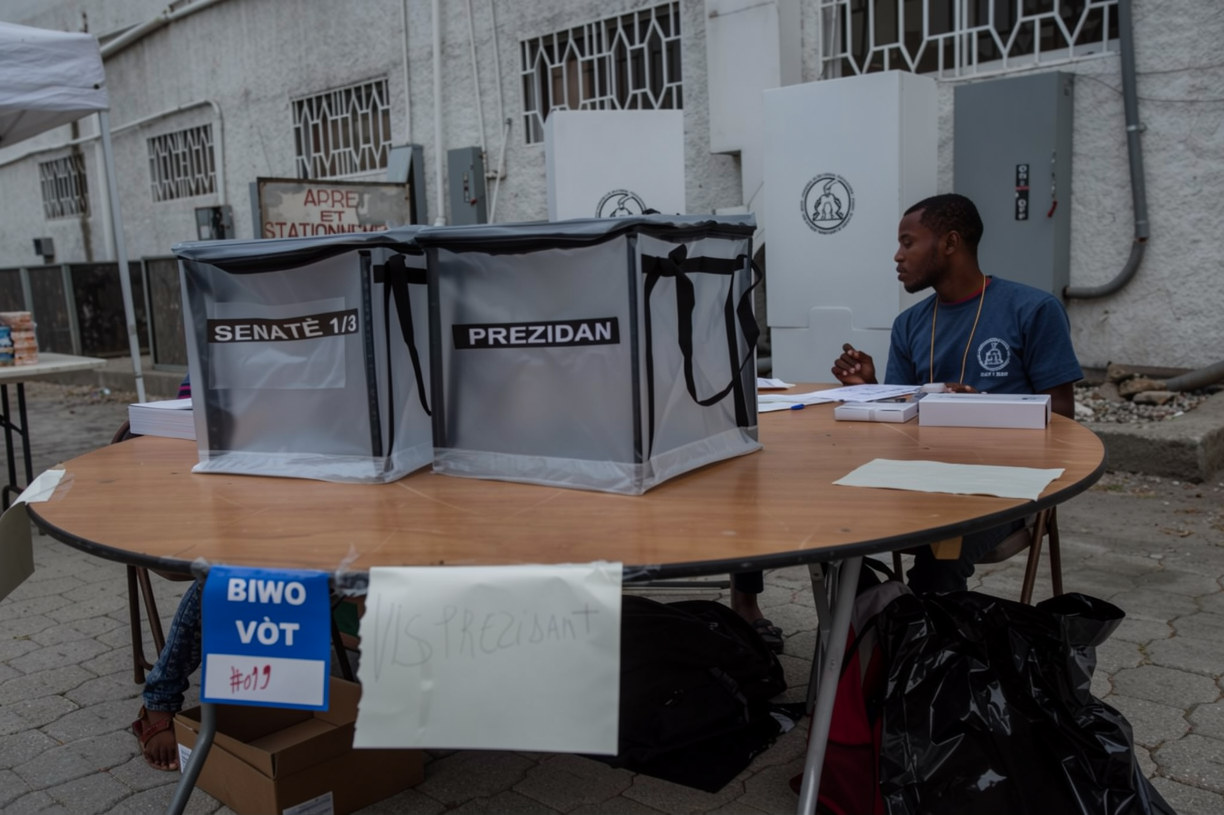
For thousands of young people born between 1999 and 2008, the elections scheduled for July 18, 2027, could mark their first voting experience.
For thousands of young people born between 1999 and 2008, the elections scheduled for July 18, 2027, could mark their first voting experience. They were children or teenagers in 2016, and now they are adults who want to choose their leaders. Growing up amid political crises, insecurity, and economic difficulties. As this date approaches, some are eagerly looking forward to voting, while others wonder about the conditions under which the election will take place.Nearly eleven years after the last presidential election, Haiti is getting ready to head back to the polls. In November 2016, when Haitians went to vote for their president, the 50th legislature, and local and municipal officials, a large part of that generation wasn’t even old enough to vote yet. Some were in middle or high school, while others had just finished childhood. Since then, the country has gone through a series of crises, changes in transitional governments, and a gradual weakening of its institutions.
Their adolescence and entry into adulthood were also marked by the assassination of President Jovenel Moïse, on the night of July 6-7, 2021. The last head of state elected by universal suffrage, he was killed while the country was already in a serious political crisis. The Parliament was defunct, and the president was the last elected official still in office at the national level. Since this tragedy, Haiti has not held any elections.Today of age, these young people are facing a prospect they have never known: taking part in choosing a president, parliament members, mayors, and other local officials. For them, the upcoming elections are therefore not just a political event. They are also an opportunity to make their voices heard and take part in decisions that shape the country’s future.
But excitement doesn’t erase questions. While some are eager to check out the polling stations, others doubt the authorities’ ability to organize the elections in a context where insecurity continues to disrupt daily life.
For Jasmine, this first time voting comes with mixed feelings. At 27, she’s thrilled to finally be able to vote, but she also feels a bit awkward about discovering so late an experience that many citizens have from the age of majority.”I’ve heard about the elections, but now, I’ll have to take part in them. I still feel a bit awkward experiencing this for the first time at my age. Normally, this should have already been my second time,” she confides.
Her account reflects the regret of a young woman who wishes she had been able to know the ballot box much earlier. At 27, she is about to live an experience that citizens in many countries encounter from the age of 18. For her, this first participation also brings to mind the long years during which Haiti went without holding a new presidential election.Voting, but above all making a thoughtful choice
Beyond just wanting to take part in the election, another concern weighs on these young people: the choice of future leaders. For Harry, a graduating student in legal sciences, youth participation shouldn’t be limited to just showing up at the polling station. It also means understanding the stakes and considering the consequences of your choice. “I encourage young people to take part in elections so that we no longer face a situation where, in our twenties, we’re just starting to vote. We need to make smart choices and support candidates who have plans, a vision, and the skills necessary to lead the country.”he believes. For him, voting isn’t just about ticking a name on a ballot. You also need to take the time to get to know the candidates, look at their proposals, and assess their ability to address the country’s problems. He sees this approach as essential to prevent voters from making decisions without truly knowing the people they’re trusting with their future.
However, this willingness to participate comes with a certain distrust of the political class. After years of unkept promises and successive crises, part of the youth is waiting for concrete answers. Safety, access to education, job opportunities, and living conditions are among their main concerns. All these issues will weigh on their choice of candidates.Despite their demographic weight, young people are slow to register
Before casting their vote, future voters must complete a first step: register on the electoral roll. The Provisional Electoral Council (CEP) launched the registration process on July 20, 2026. Young people who want to take part in the upcoming elections are therefore called upon to complete the necessary formalities.
At 19, Jacky says he has already done this step. Registered on the electoral roll, he encourages other young people to follow his lead. He does, however, regret the lack of awareness campaigns aimed at informing the public about the steps to follow. “I have already registered as a voter, and I encourage young people to do the same. However, I notice that the Provisional Electoral Council neglects awareness campaigns to encourage citizens to register,” he laments.The latest data published on the CEP website reports about 940,000 registered voters. Among them, fewer than 200,000 are aged 18 to 28. These numbers reflect a low presence of young people among those already registered and give an initial look at their participation in the registration process. The role of this age group in the electoral process deserves special attention. According to data from the United Nations Development Programme (UNDP), more than five million people aged 15 to 39 live in Haiti. They make up 42.8% of the total population. Behind these numbers is the demographic weight of a youth whose expectations go far beyond just the electoral question. Their involvement in the elections could influence political choices, as long as the political and security climate allows for effective participation.A Generation Born Between Two Elections
The Provisional Electoral Council (CEP) has set July 18, 2027, for the first round of the presidential and legislative elections, as well as the holding of the constitutional referendum. The second round is scheduled for October 4, 2027, at the same time as the local government elections.
To trace back the last presidential election held in Haiti, you have to go back to November 20, 2016. That election brought Jovenel Moïse to the presidency. Since then, no other presidential, legislative, municipal, or local elections have been held in the country. The successive political crises, institutional instability, and worsening security situation have extended this absence of electoral events.For young people born between 1999 and 2008, the July 18, 2027 deadline holds a special significance. They will all have turned 18 by the time of the first round. For those who have never voted before, it will be an opportunity to take part in choosing the next elected officials. That said, you still need to be registered on the electoral lists and meet the requirements set by law, particularly Article 59 of the new version of the electoral decree published on October 6, 2026.
But between the election calendar and the reality on the ground, several uncertainties remain. In a country where armed violence continues to disrupt daily life and limit movement, the ability for every citizen to vote freely remains a major concern. Whether the vote can actually take place will largely depend on the security conditions in different regions of the country.For young people, the July 2027 event isn’t just a date on the election calendar. Everyone approaches it with their own experiences, expectations, and concerns. Through the stories of Jasmine, Harry, and Jacky, we can see the anticipation of a generation that grew up without a real national election to look forward to.
After about eleven years without presidential, legislative, or local elections, many questions remain unanswered and are waiting for responses from the CEP and the government led by Prime Minister Alix Didier Fils-Aimé. Will these young people finally be able to go to the polls on July 18, 2027? Will security conditions allow voters to freely participate in the different elections, from choosing the president and members of parliament to their municipal and local representatives?Like Jasmine, Harry, and Jacky, many young people also want to have a say in the decisions that affect their daily lives. After several delays, including the one on December 13, 2026, actually holding the announced elections remains a key condition for this generation to experience their first voting experience and finally make their voices heard.

