
UN Secretary-General António Guterres on Friday made an urgent call to end the military escalation in the Persian Gulf, saying that the conflict, which has been going on for over five months, has become ‘a driver of global instability’ with impacts now being felt far beyond the Middle East.
UN Secretary-General António Guterres on Friday made an urgent call to end the military escalation in the Persian Gulf, saying that the conflict, which has been going on for over five months, has become “a driver of global instability” with repercussions now being felt far beyond the Middle East.
Back from a visit to Syria, Jordan, and Cyprus, the UN chief stressed at a press briefing at UN headquarters in New York that a message kept coming up in his conversations with regional leaders: “The Middle East – and the world – cannot afford another war.”
His statements come as a new flare-up of violence has renewed tensions between the United States and Iran.
According to the press, the Iranian military announced on Friday that it had launched drone attacks on U.S. military facilities in Kuwait, in response to U.S. strikes carried out in recent days against military sites in Iran.
This week’s exchanges ended a lull in direct attacks between the United States and Iran, which have swung between conflict and negotiation in recent months. Several U.S. allies, including Jordan and Saudi Arabia, also faced new drone and missile strikes this week. An attack also occurred for the first time in Egypt, at the Mediterranean port of Damietta.The UN stresses the need to ensure freedom of navigation in two strategic global trade routes: the Strait of Hormuz and the Bab el-Mandeb Strait.
Repercussions far beyond the battlefield
For António Guterres, the consequences of this escalation now go far beyond the regional security context.
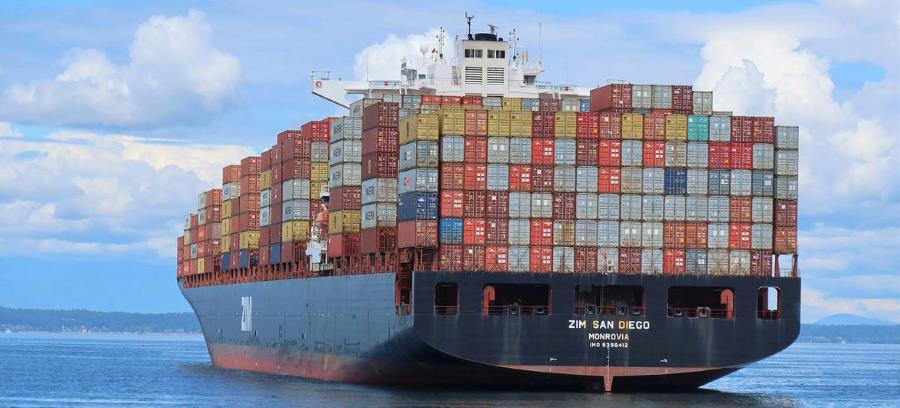
“Trade through the Strait of Hormuz has collapsed. Energy markets have been shaken. Prices for food and key fertilizers have skyrocketed. Supply chains are under pressure,” he said.These disruptions are driving up the cost of living worldwide. “All over the world, families are struggling to put food on the table, farmers can no longer afford to buy basic inputs, and vulnerable countries are being pushed closer and closer to the brink,” warned the Secretary-General.
The World Food Programme (WFP) estimates that up to 45 million people could fall into acute food insecurity due to the fallout from the conflict.Call for diplomacy
The UN chief also stressed the need to ensure freedom of navigation in two key global trade routes: the Strait of Hormuz and the Bab el-Mandeb Strait, where attacks on merchant ships have increased in recent months.
Threats to maritime traffic in the Persian Gulf and the Red Sea affect oil exports and international trade. The Houthis, an Iranian-backed Yemeni militia, announced a blockade of Saudi ships and targeted vessels in the Red Sea. Saudi Arabia announced the creation of a military coalition aimed at protecting navigation in the region.The Secretary-General said that “the only good news” in recent days is the announcement by U.S. President Donald Trump of an agreement for Hamas to lay down its arms and for Israel to withdraw its forces from Gaza.
Facing this rapid deterioration of the situation in the Middle East, António Guterres reaffirmed that only a political solution will prevent the crisis from worsening.
“The fighting must stop. The rights and freedoms of international navigation in and around the Strait of Hormuz and Bab el-Mandeb must be fully restored. And diplomacy must prevail,” he concluded.UNICEF warns about the heavy toll on children
Meanwhile, UNICEF raised the alarm on Friday about the heavy toll on children in Iran, where more than 2,500 of them are said to have been killed or injured since the start of the war.
According to the UN agency, a two-year-old child and his parents were specifically killed on Thursday in a strike on a residential building on Qeshm Island.
In total, more than 4,000 children are said to have been killed or injured in six countries in the region, said Abdul Fofana, UNICEF’s acting regional director for the Middle East and North Africa, in a statement.
UNICEF is calling on all parties to respect international humanitarian law, fully implement ceasefires, and protect children.