
International prices for sugar, cereals, and vegetable oils are offsetting the drops in meat and dairy prices.
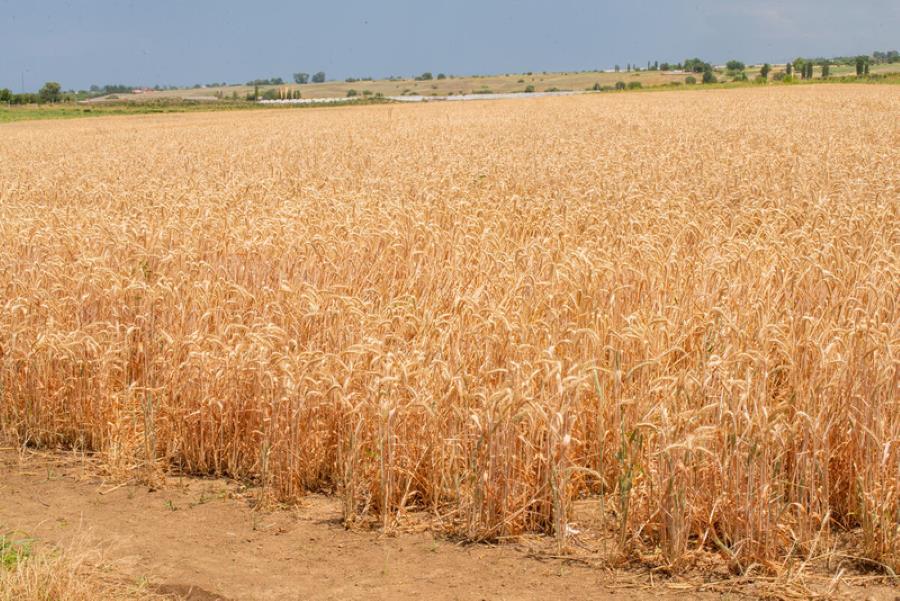
A wheat field in Azerbaijan.
The global food price index rose slightly in July, with recent heat waves and energy price trends pushing up the prices of cereals, vegetable oils, and sugar, according to new data released Friday by the United Nations Food and Agriculture Organization (FAO).The FAO Food Price Index, which tracks monthly changes in international prices for a basket of globally traded food products, averaged 131.1 points in July 2026, up 0.6% from June and 1% from the previous year.The FAO cereal price index rose by 3.4% compared to June, reversing the downward trend from May, and is now 6.9% higher than its level in July 2025. Global wheat prices jumped 5.8% due to ongoing concerns about disruptions to Black Sea exports and the likely impact of recent heatwaves on crop yields in several key producing countries. Global corn prices went up 3.6%, driven by worries over hot, dry weather in parts of the U.S. and the ripple effects of tight energy markets amid increased geopolitical tensions. The FAO rice price index remained largely stable in July 2026.The FAO vegetable oil price index rose 2.0% compared to June, reaching its highest level since June 2022. International palm oil prices went up, supported by strong demand from the Indonesian biodiesel sector and rising crude oil prices, while global soybean oil prices also increased due to still-strong demand for raw materials in the US and higher global import demand amid increased price competitiveness. Global sunflower and rapeseed oil prices fell.The FAO Meat Price Index fell by 2.8% from its June record, marking its first monthly drop of the year. International poultry prices went down, mainly due to lower prices in Brazil amid plentiful export supplies. Pork prices also declined because of abundant stocks in the European Union and moderate global demand. Global beef prices decreased as well, reflecting weaker import demand from Asia, while sheep meat prices hit a new high, supported by limited export supplies from Oceania.
The FAO dairy price index fell by 0.7% in July, with whole and skimmed milk powder prices dropping, along with butter. Prices for cheeses traded internationally went up for the first time in a year, as the seasonal drop in dairy supplies in the European Union more than offset the continued price decline in Oceania and the pressure from abundant export offers and rising competition from the United States.The FAO sugar price index rose by 5.6% in July, wiping out June’s decline, mainly due to concerns about the potential impacts of ongoing hot and dry weather on crop yields in the European Union and El Niño-related weather conditions on production prospects in key Asian producing countries. Forecasts of stronger ethanol demand in Brazil following a temporary increase in the mandatory ethanol blending rate in gasoline also supported prices, though this effect was somewhat offset by improved harvest conditions in the main agricultural regions of Central-Southern Brazil.