
From Haitian dances to the lands of Benin, memory crosses the Atlantic once again.
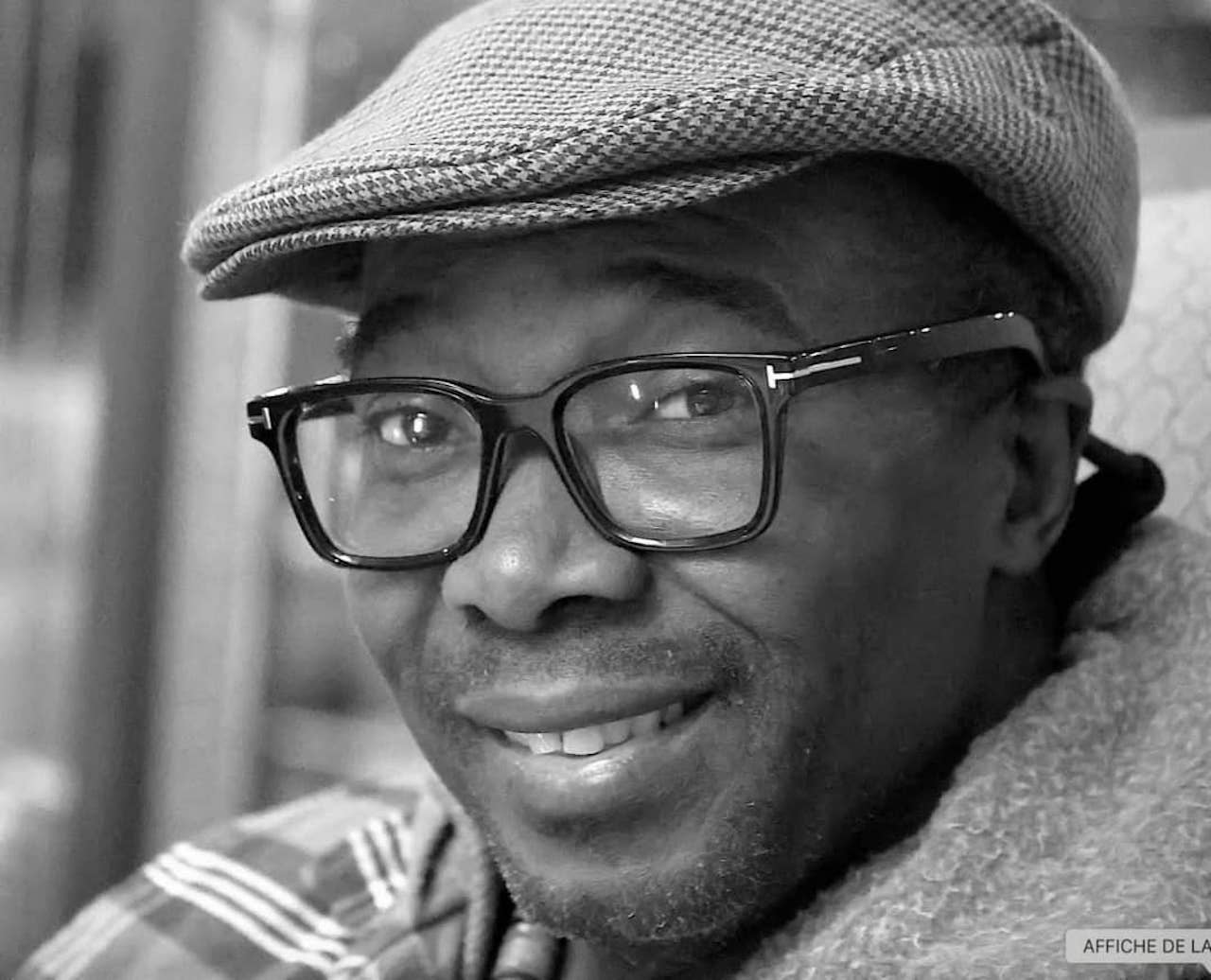
From Haitian dances to the lands of Benin, memory crosses the Atlantic once again. The documentary Heritage in Sharing / Traditional Dance in Haiti by filmmaker Kesler Bien-Aimé has been selected for the 6th edition of the Cotonou Film Meetings (RECICO), from October 3 to 10, 2026. This selection puts Haitian choreographic heritage at the heart of a dialogue between memory, African heritage, and cinematic creation.As part of the 6th edition of the Cotonou Film Meetings (RECICO), the documentary film Heritage Shared / Traditional Dance in Haiti, by filmmaker Kesler Bien-Aimé and his team, including Leel Paul in directing and Ritchy Fortuné in co-narration, has been officially selected. Scheduled for the week of October 3 to 10, 2026, this edition takes place under the theme Cinema and Immigration: Challenges, Issues, and Perspectives. A choice that particularly resonates for Haiti, where population movements play a central role in recent history.
Created in 2019 by Dimitri Fadonougbo, RECICO has established itself as a major hub for cinema in West Africa. This festival aims to offer a platform for expression and reflection for filmmakers from the continent and its diasporas, while also encouraging the emergence of new digital storytelling. It’s in this think tank that the perspective of Kesler Bien-Aimé, creator and researcher whose sense and thought are rooted in Port-au-Prince, is set to land in Cotonou. He is a Haitian intellectual who brings back to the land of his ancestors a connected and connecting memory, preserved against all odds, turning the festival into a space for memory reconnection. It’s also the gaze, gestures, and movements of tradition bearers that will travel from the coasts, mountains, and plains of Haiti, then cross the Atlantic again, returning to their point of origin.From Haitian Memory to African Roots
This return is all the more powerful because it touches on traditional dances, one of the most intimate threads connecting Haiti to Africa. Haitian gestures associated with these dances, like the Yanvalou, take their direct roots from the old Kingdom of Dahomey and Fon and Yoruba rituals, from which the people of Benin descend. Through the body’s swaying that mimics the ocean’s waves, the slaves brought across the Atlantic were able to codify resistance to oppression. Making these ritual dances of Haiti resonate on Beninese soil is thus a way of recognizing the historical precedent with its highs and lows, and moving beyond wounds frozen in historical time. Centuries old, Haiti’s traditional dances show that the body managed to survive the crossing and exile.Thanks to the selection of Kesler Bien-Aimé’s work, led by the Haitian Institute of Heritage and Tourism, Haitian cinema is crossing a new frontier: that of Benin. The filmmaker was informed of this by mail. The organizers congratulate him on this selection and invite him to take part in the festival. His documentary film will compete in the short documentary category.
As a socio-ethnologist of heritage who has worked hard to think about, photograph, and film traditional dances, the author is engaging here in a research-creation approach.
So, this selection in Cotonou is not just a meeting point for Haitian documentaries, it is above all an essential showcase for the country’s choreographic heritage.

