
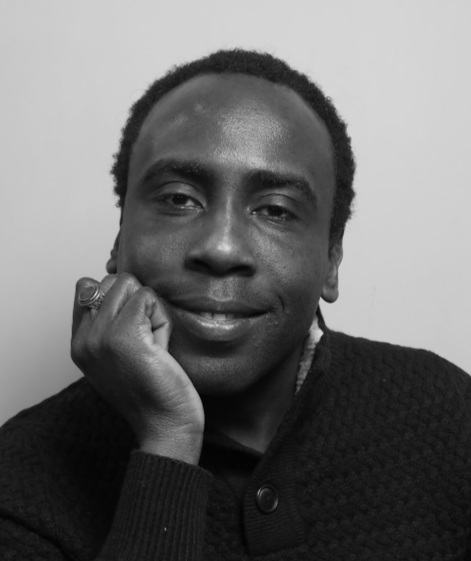
In ‘Constellations of Ruins,’ Watson Charles explores the connections between memory, history, and poetry through the figure of ruins.
In Constellations of Ruins, Watson Charles explores the connections between memory, history, and poetry through the figure of ruins. Between Rome and Port-au-Prince, between literary heritage and questions of identity, the Haitian poet examines the traces left by the collapses of time, civilizations, and humans. Interview with Velimir Mladenović.
Velimir Mladenović: Constellations of Ruins — a celestial mapping and earthly ruins, order and collapse. For you, are ruins primarily a poetic material, or do they also represent an autobiographical and political testimony? What does it mean to ‘form a constellation’ from what has been destroyed?
Watson Charles: In this book, the idea is to tackle a question that is both historical and aesthetic, and to put it quite clearly: how do architectural collapse, the debris of war, or ancient remains inspire wonder in us, while also pushing us to reflect on the world and the human condition? This collection tries to bring us back to our social and human fragility, to make poetically resonate what history has left us.We often tend to think of ruins as something that has been destroyed or abandoned. But beyond these historical or archaeological considerations, shouldn’t we also reflect on the inner, personal ruins that drive a person to know themselves? That’s exactly what Lautréamont meant in these lines: “Gravedigger, it is beautiful to contemplate the ruins of cities; but it is even more beautiful to contemplate the ruins of humans!”
In writing this book, I also wanted to question the history of my country, where some historical and archaeological monuments are no longer ruins—they’ve simply disappeared, not to mention the repeated fires that have destroyed historical buildings and sites of memory. This disappearance or erasure of the past will create a void for future generations and a lack of understanding of our history.
So, the role of poetry is to remind us of our connection to reality. To me, it’s the place where we question ourselves and take part in the world. I think the image of ruins helps me reflect on time and the fragility of power, like in the work of Joachim du Bellay.
Between literary heritage and upheaval of the world
Velimir Mladenović: Lautréamont, Rimbaud, Aeschylus, Cicero, D’Alembert — a very eclectic pantheon. How did you choose these “guiding voices”? Is it a literary dialogue or some kind of invocation, calling upon dead witnesses in the face of living ruins?Watson Charles: Mentioning these poets and playwrights in my collection isn’t about having a dialogue with them, let alone trying to seek some kind of correspondence or lineage. I think today we need to understand poetry in its epic and lyrical dimension, but also through a language untouched by conventional structures of thought and reality. And one of the ways to achieve that is to delve into the works of Lautréamont or Rimbaud.
I believe the poets mentioned in my collection are ‘accompanying voices,’ that they are among those who have shaped my poetry and allow me to reflect on poetic language. I’m convinced that poetry must bear witness to the upheaval of the world.