
In the first half of 2026, the region’s year-on-year growth outpaced global trade.
In the first half of 2026, the region’s year-on-year growth outpaced global trade.
Goods exports from Latin America and the Caribbean rose by 19.5% year-on-year in the first half of 2026, beating the 14.5% growth of global trade. This momentum was driven by higher oil and other commodity prices, as well as demand for infrastructure related to artificial intelligence (AI). According to the Trade and Integration Monitor 2026 report published by the Inter-American Development Bank (IDB), this strong export performance provides an opportunity to attract more foreign investment.The report points out that, despite a tough global context, the region had a strong performance, mainly driven by an increase in exported volumes, along with rising prices.
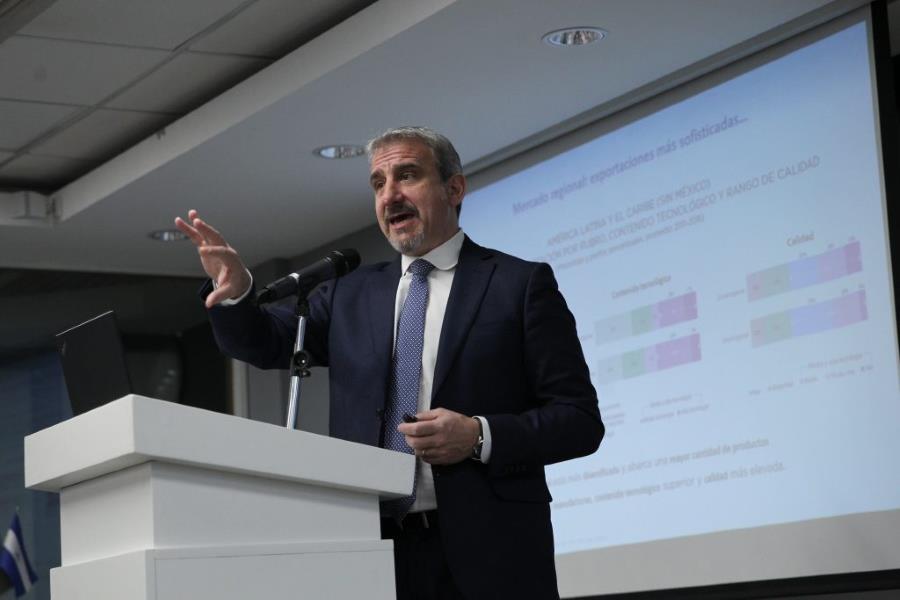
Mexico led regional growth (24.6%), boosted by its sales of infrastructure equipment for AI to the United States. In the Caribbean (19.1%) — with growth mainly in Guyana and Suriname — as well as in South America (16.5%), export growth was driven by higher prices for mining and energy products, especially oil.“The commercial resilience of Latin America and the Caribbean represents an opportunity to attract more investment. To take advantage of it, the region can support its commitments in international trade and investment with complementary national regulatory frameworks, thus offering greater certainty to investors,” said Paolo Giordano, senior economist in the Productivity, Trade, and Innovation sector at the IDB.
Key Takeaways from the Report
This IDB report highlights the region’s growing presence in international markets: Latin America and the Caribbean’s share of U.S. imports — the main destination for regional export growth — reached a record 22.1% in the first half of 2026, even as U.S. purchases from the rest of the world declined.The region has also regained market share in Europe. Investment opportunities: although the region continues to attract more foreign direct investment (FDI) relative to the size of its economy than any other region, it recorded a 4.5% lower investment volume in 2023-2025 compared to 2012-2014; furthermore, its share of the global FDI stock fell from 7.1% to 6%.
Regulatory framework as a strategic asset: the region can take advantage of double taxation agreements, bilateral investment treaties, and trade agreements that include investment provisions, since these instruments help create investment links between countries.

