
Food prices, thanks to better-than-expected yields and lower demand, eased in October after several months of rising, except for rice and sugar, the FAO highlighted in its monthly report on Friday.
Food prices, thanks to better-than-expected yields and lower demand, eased in October after several months of rising, except for rice and sugar, the FAO noted in its monthly report on Friday.
The price index calculated by the UN organization for agriculture and food (FAO), based on a basket of products, fell by 1.2% compared to September.
However, it still rose 5.9% year-on-year, driven by climate and geopolitical shocks. It remains 16.4% below the March 2022 peak that followed the Russian invasion of Ukraine.In particular, the cereals index fell by 4.5% in October.
Wheat dropped due to slower demand but also because of better harvest prospects in major producing countries like Argentina. The hope for a possible easing in the Black Sea, where the Russia-Ukraine conflict is blocking shipments from these two countries, is also helping to ease prices, according to the FAO.
The same trend applies to corn, which had reached a three-year high in September, and is benefiting from better-than-expected yields, especially in the United States.On the other hand, rice prices have risen by 1.6% over the past month (+14% over the year), due to delayed harvests in some major exporting countries arriving late on Asian markets, and uncertain weather-related prospects, explains the FAO.
According to updated forecasts on Friday, global rice production is expected to shrink this year for the first time in four seasons, to 522 million tons, down 2.5% from last year, amid complicated weather conditions caused by the El Niño phenomenon.
At an average price index of 106 points in 2026, it surpasses the average level of 2025 (103.5); however, this price is still far from the peaks of 2023 and 2024 (132 and 133).Overall, global cereal production is expected to decline in 2026 compared to the record level in 2025, but it should still be the second highest ever recorded, at nearly 3.0 billion tons, according to these projections.
Prices for vegetable oils, meat, and dairy products also fell slightly in October.
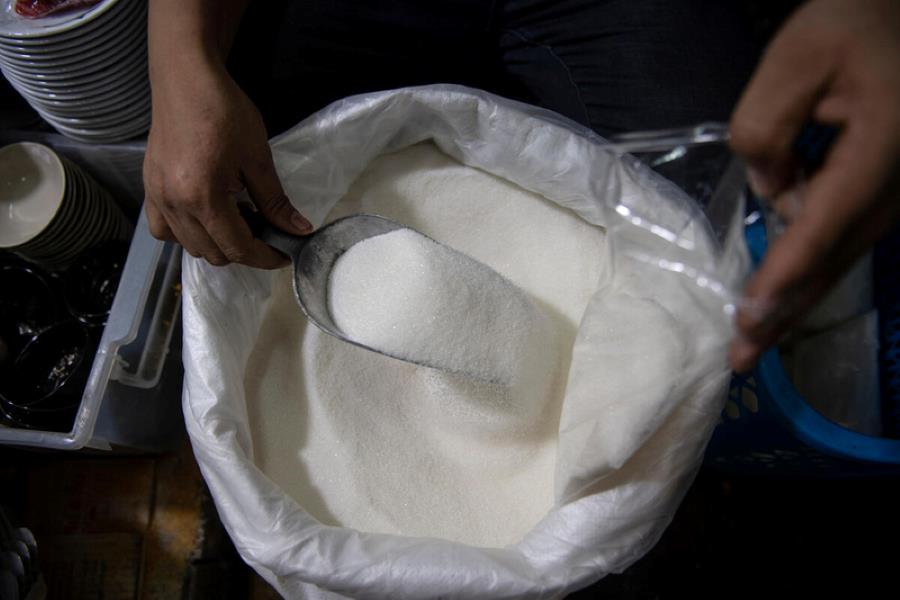
Sugar, by contrast, kept rising, up 6.6% month-on-month and 28.8% year-on-year, the highest since December 2024. The reason is a sugarcane harvest disrupted by rain in Brazil, as well as uncertain production outlooks in India, Thailand, and the EU.

